Office of Sustainability
Office of Sustainability
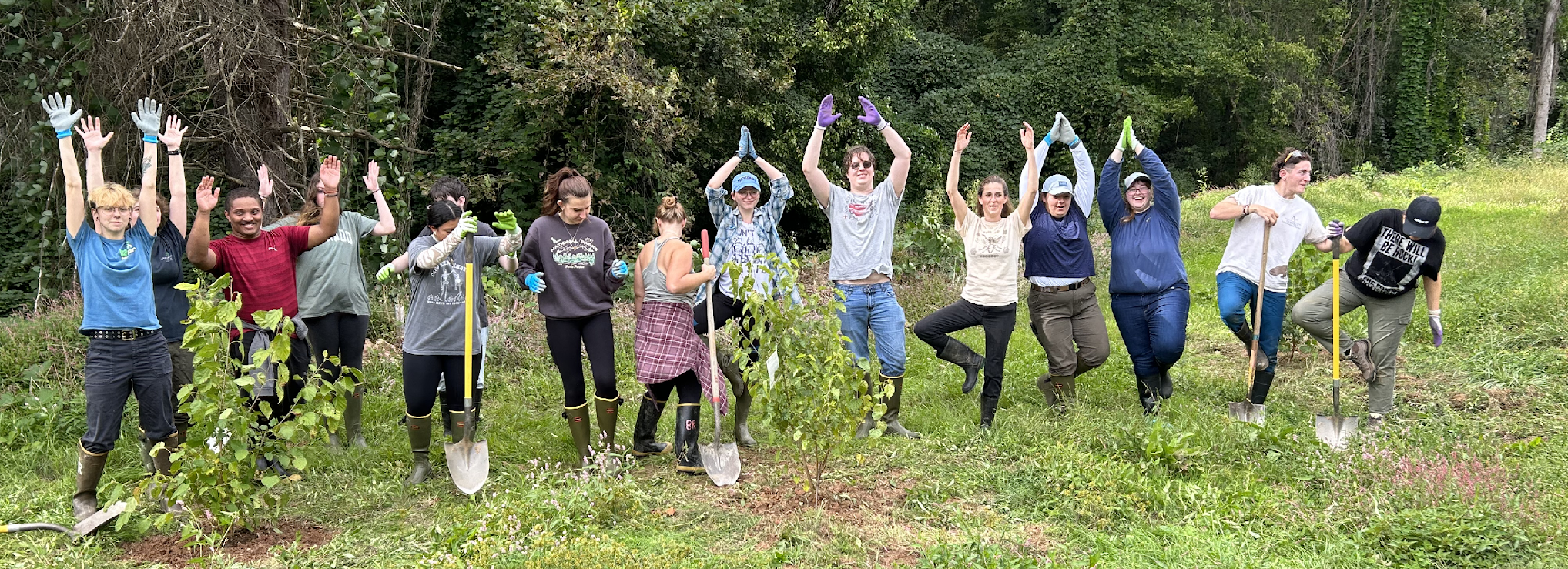
The Office of Sustainability at UNC Asheville provides strategic leadership and support for programs and initiatives that advance sustainability literacy, foster campus-wide engagement, and strengthen the health of our natural environment. Working in collaboration with students, faculty, staff, and community partners across the Asheville region, the office creates meaningful opportunities for learning, action, and innovation while modeling sustainable practices on campus.
The Office of Sustainability aims to:
- Recognize impactful sustainability projects and ongoing efforts across campus
- Engage the UNC Asheville community in collective sustainability action
- Celebrate sustainability champions and shared successes
- Support new and emerging sustainability initiatives that advance environmental and social responsibility
Sustainability Research and Courses
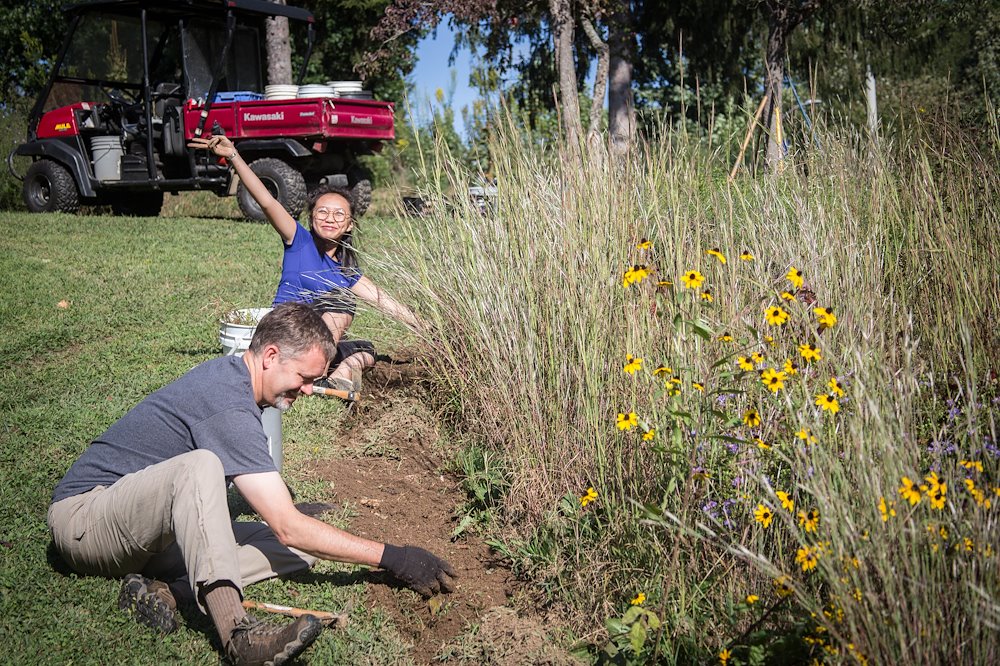
Build the skills to think across systems and tackle real-world challenges. This certificate brings together environmental, social, and human perspectives through interdisciplinary coursework, community engagement, and collaborative projects. Students gain practical tools to address sustainability issues locally and globally while strengthening critical thinking and problem-solving skills for a rapidly changing world.
Career Paths in Sustainability
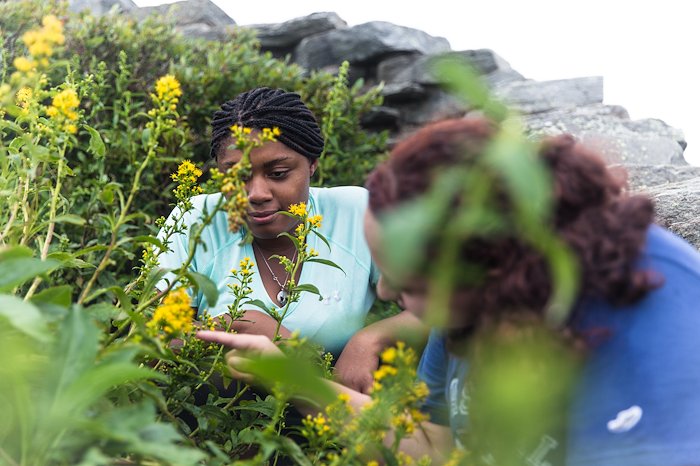
The Sustainability Certificate complements any major, giving students practical skills to tackle environmental, social, and economic challenges. Explore how these interdisciplinary skills can open doors across government, nonprofits, business, and community-focused careers.
McCullough Fellowships
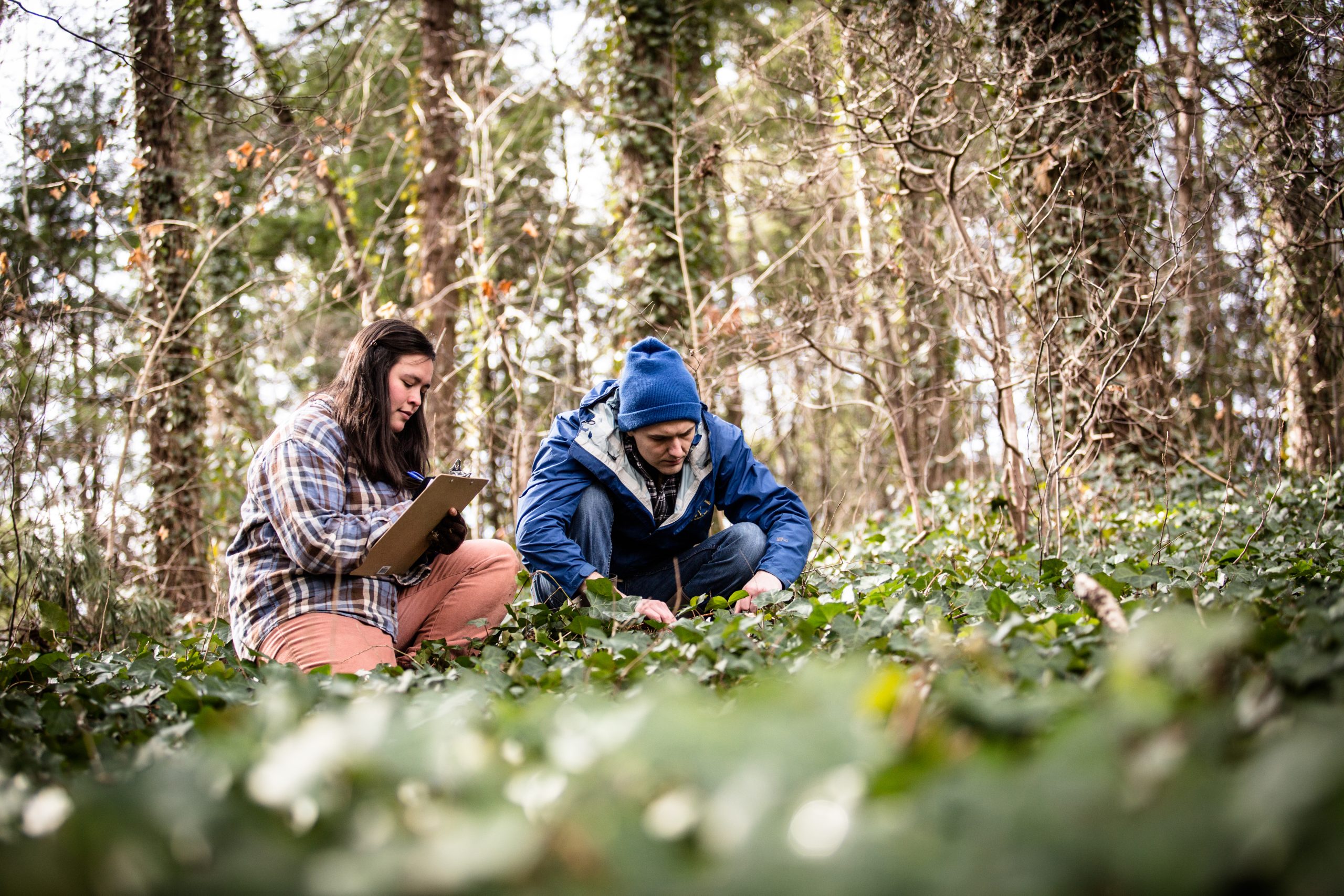
The McCullough Fellowship offers UNC Asheville students the opportunity to apply classroom learning to real-world sustainability challenges. Working alongside faculty and community partners in Western North Carolina, Fellows conduct paid, applied research that builds practical skills and supports impactful local work.
Efforts Make an Impact
UNC Asheville has a vibrant sustainability culture that welcomes the involvement of students, staff, faculty, and the community. From our curriculum to our student organizations, our campus facilities to our beautiful edible gardens, UNC Asheville offers a wide range of opportunities for exploring and enhancing our relationship with the planet and its living systems.
Every day, in classrooms, offices, labs, residence halls, dining areas, and open spaces, we co-create a vibrant and sustainable future for UNC Asheville. Your involvement can meaningfully strengthen our natural environment and our communities.
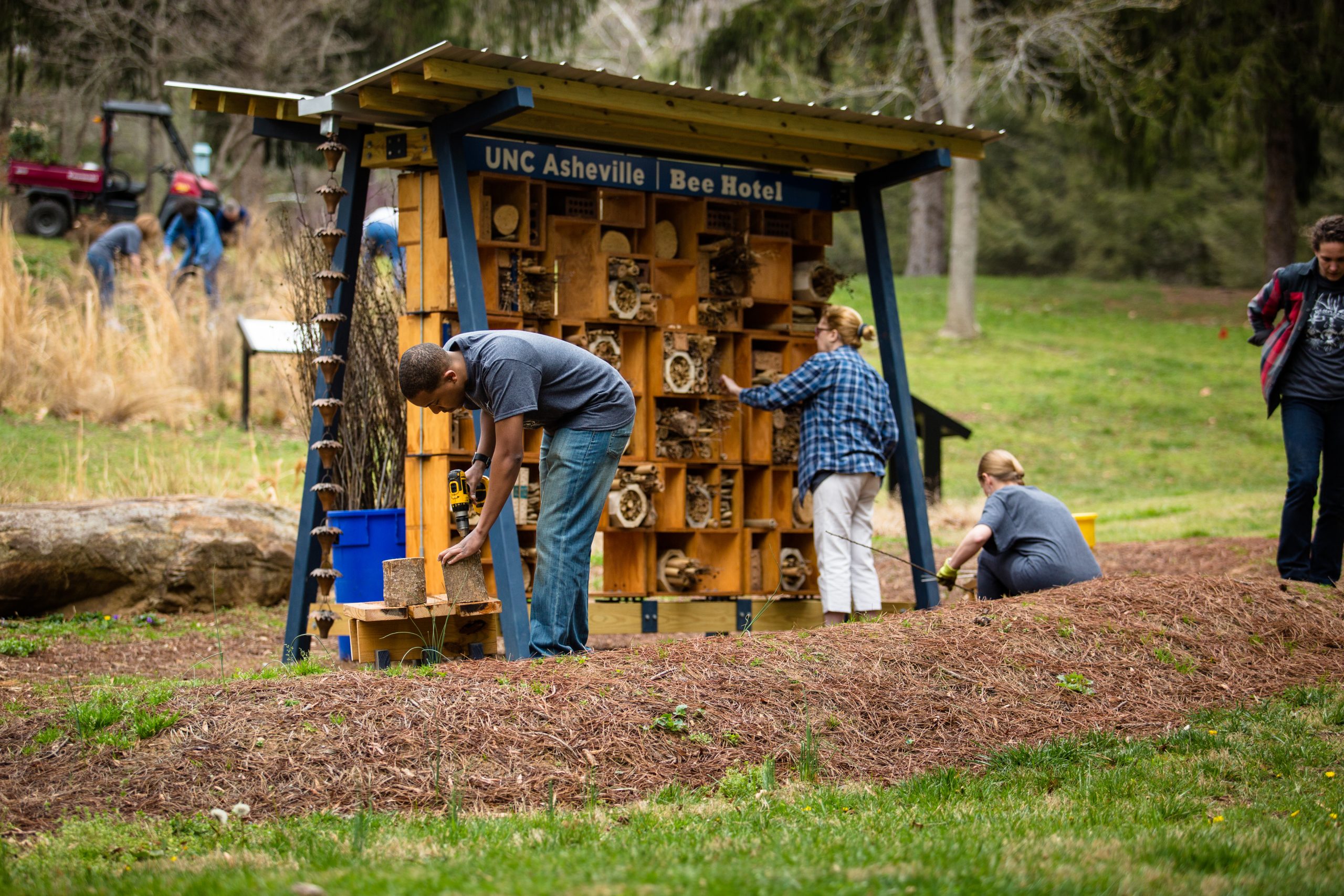
Sustainability at UNC Asheville
UNC Asheville’s commitment to sustainability goes far beyond the classroom. From hands-on learning and campus initiatives to student-led projects and community partnerships, sustainability is woven into everyday life at UNCA. Discover how the university is turning environmental values into action — and shaping a more sustainable future.
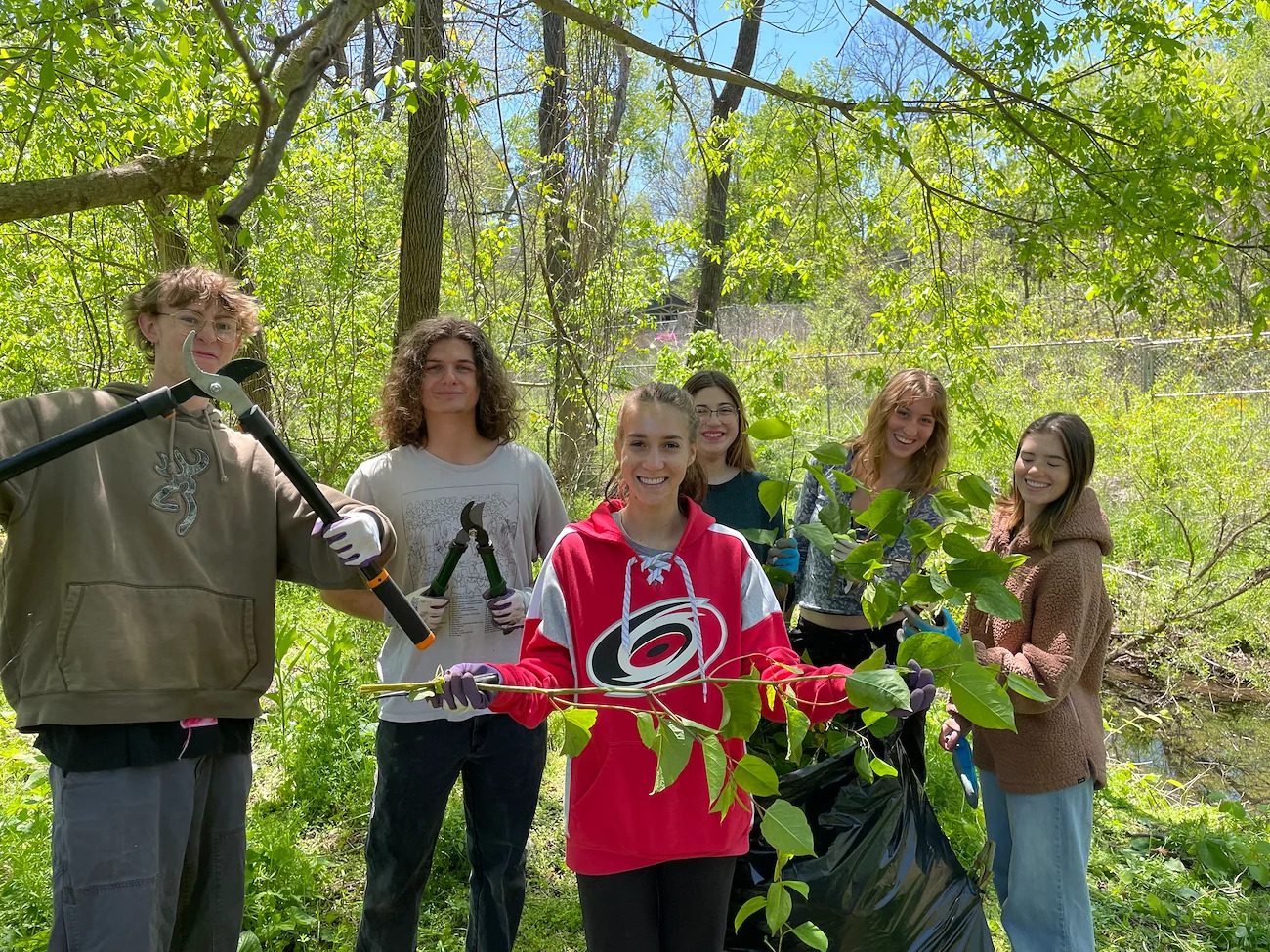
Two student projects awarded with Green Grants
Birds and natives plant species: students in action on Earth Day
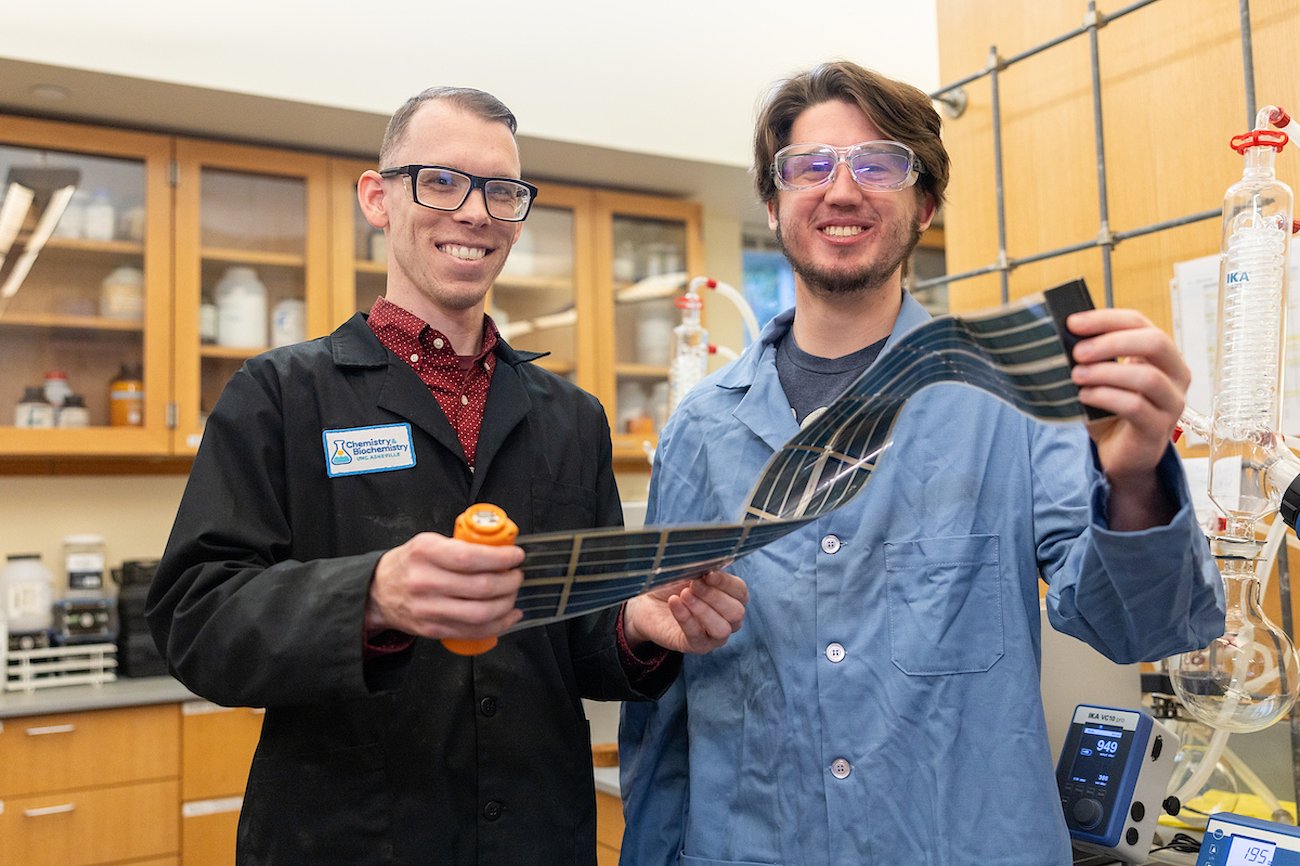
UNC Asheville McCullough Fellow Lights the Way Toward a Greener Future
Senior chemistry student and McCullough Fellow Adam Wold is driving real sustainability research at UNC Asheville — applying curiosity, science, and hands-on work to power meaningful environmental impact and chart a greener future.

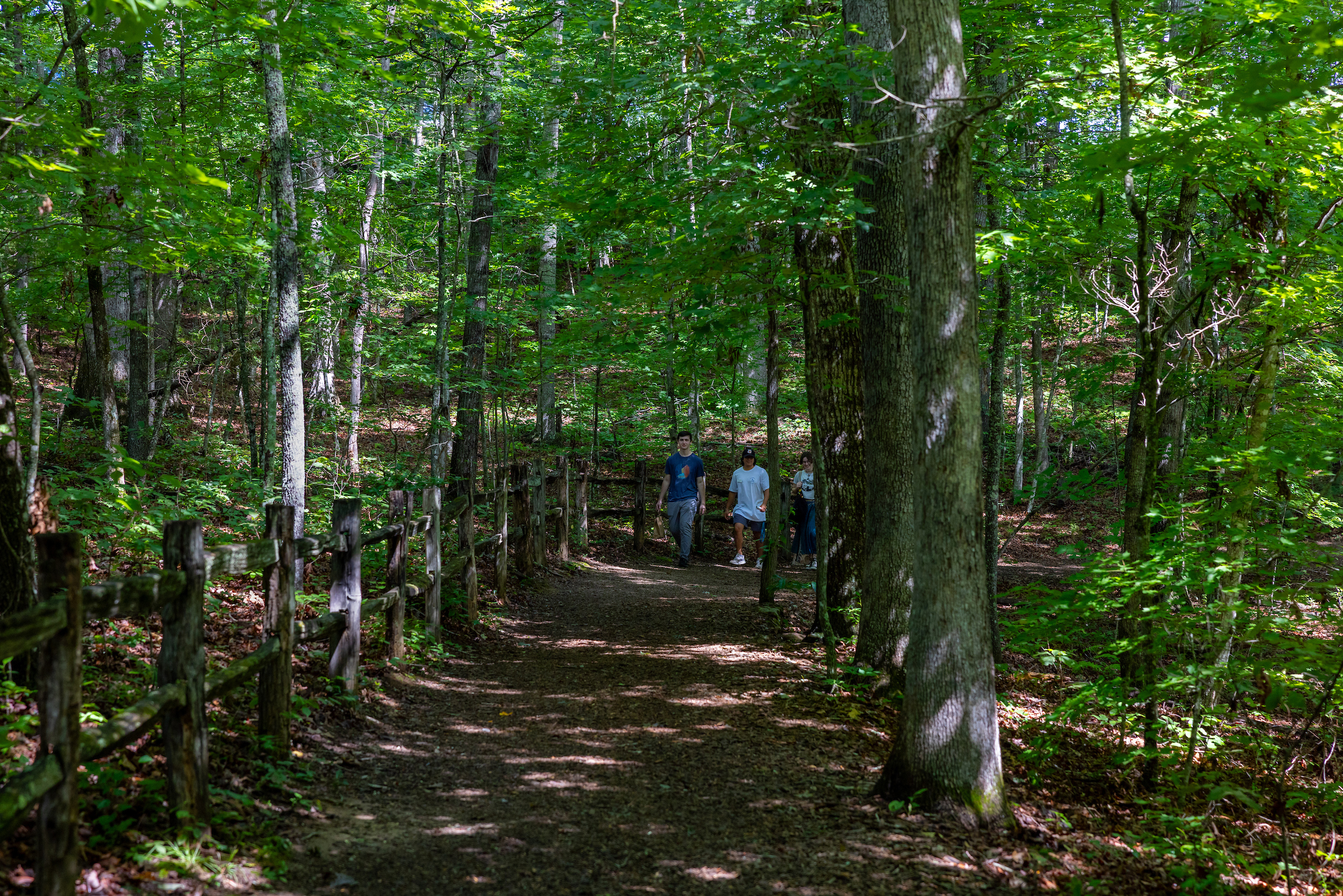
Outside the Classroom
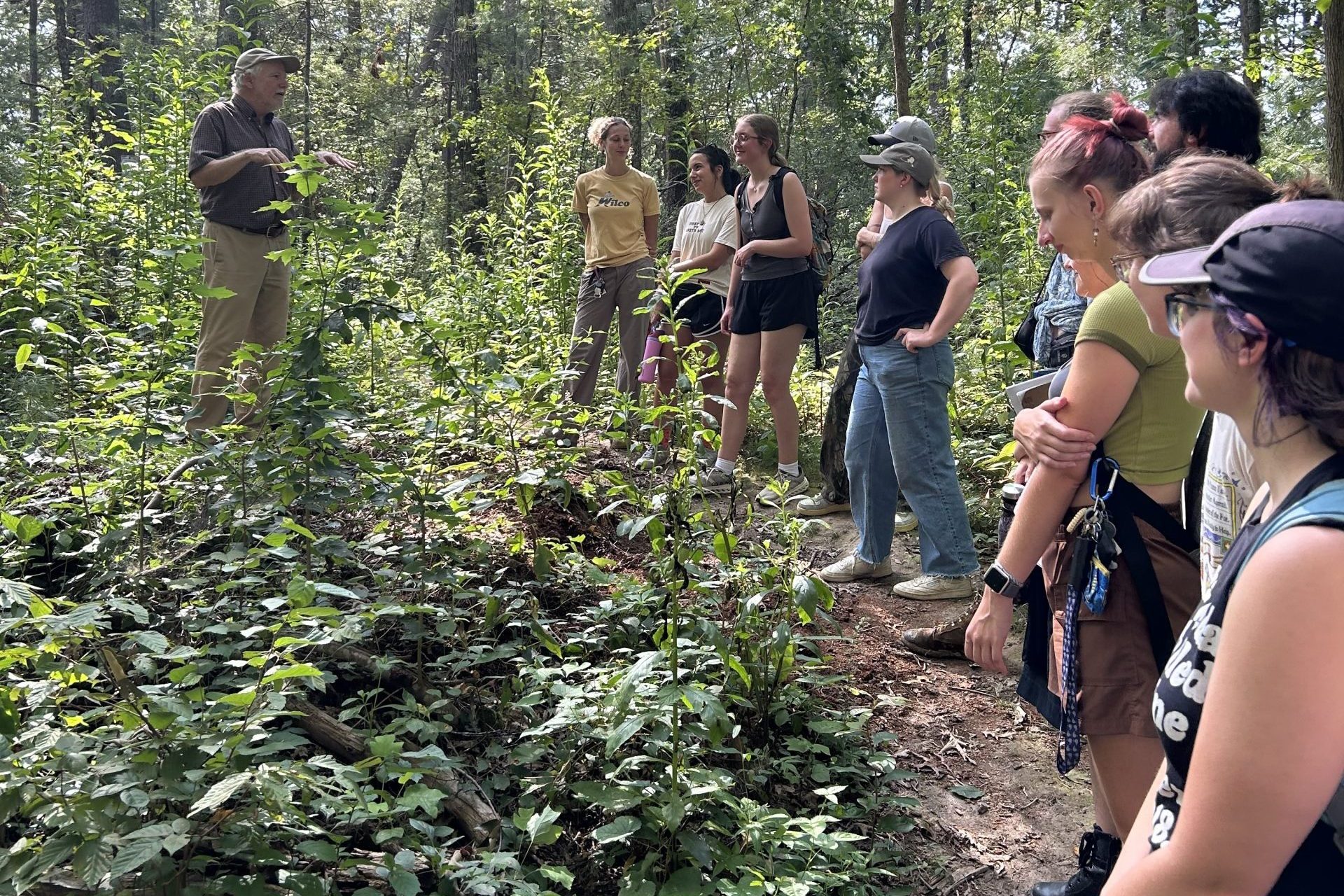
Outside the Classroom
Sustainability Clubs
UNC Asheville students turn their passion for the planet into action through a variety of sustainability-focused clubs. Whether organizing conservation projects with ASHE, advocating for environmental justice with Amnesty International, protecting local habitats with Audubon, or pushing for climate action and fair trade on campus, these student-led groups give you the chance to create real change.
Joining a club is an easy way to connect with others, gain leadership experience, and make a meaningful impact on campus and in the wider Asheville community.
Outside the Classroom
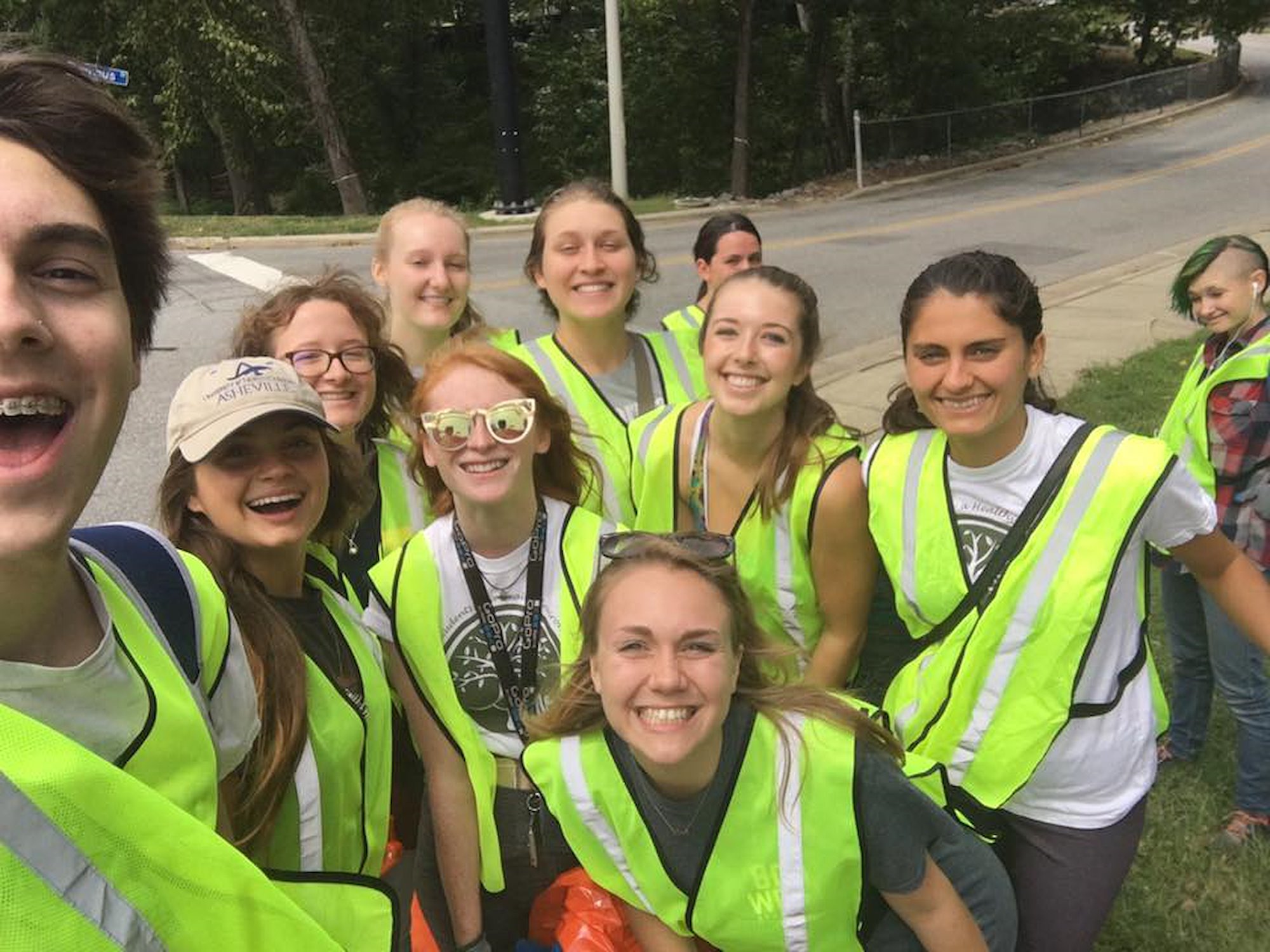
Outside the Classroom
Greenfest
Brought to you by the Student Environmental Center, Greenfest is a bi-annual series held at UNC Asheville in the Spring and Fall that celebrates sustainability, students, faculty and community. Each semester, students choose a theme relevant to current topics in environmental sustainability and partner with community members to plan events in order to generate conversation around environmental issues and engage students in environmental stewardship. Events are open to everyone, though some require registration!
Outside the Classroom
Outside the Classroom
Student Environmental Center
The Student Environmental Center (SEC) at UNC Asheville is a student-led hub that brings together students, faculty, staff, and the Asheville community to promote environmental stewardship through education, advocacy, and hands-on action. Founded in 2006 through a student-initiated Green Campus Initiative Fee, the SEC supports sustainability projects across campus, from energy- and water-saving upgrades to transportation improvements. The center has also partnered with Dining Services to launch post-consumer composting and established a campus vegetable garden, reinforcing UNC Asheville’s long-standing commitment to sustainability and community engagement.
Meet the Faculty
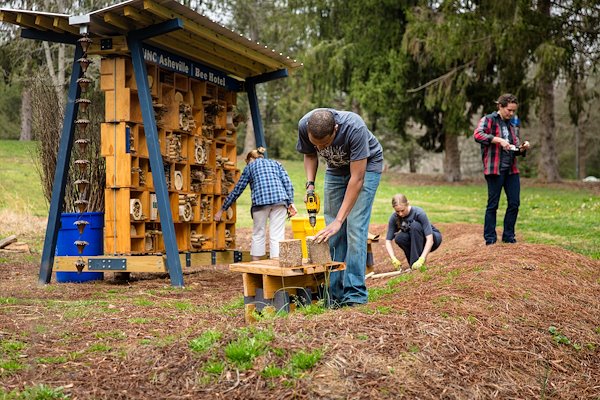
Meet the Faculty
At UNC Asheville, sustainability faculty and partners foster interdisciplinary learning, applied research, and meaningful engagement with local and regional communities. By centering systems thinking and the human dimensions of environmental and social challenges, we prepare students to become thoughtful collaborators and effective contributors in professional, civic, and community settings.